

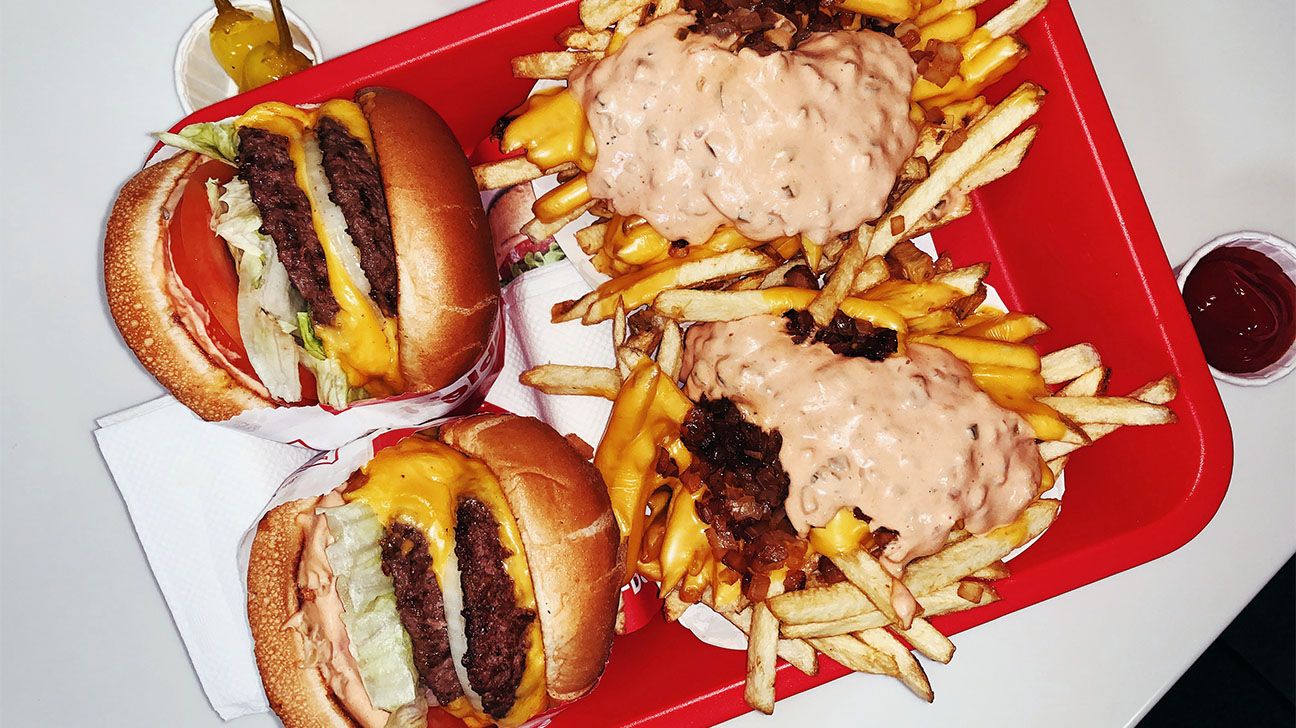
- One recent analysis found that ultraprocessed foods (UPFs) are potentially just as habit-forming as tobacco products.
- The researchers discovered that these foods are formulated to boost pleasure and speed up the absorption of rewarding ingredients.
- The habit-forming nature of such products implies they promote compulsive consumption and interfere with appetite regulation.
- The review authors recommend that UPFs could be governed by policies comparable to those for cigarettes.
Right now, there is no single agreed-upon description of UPFs. Some people describe them as foods that contain ingredients you are unlikely to have in a domestic pantry, for instance stabilizers and additives.
Many professionals employ the NOVA classification to define UPFs. This describes products that are “formulations of components, mostly of exclusive industrial use, often produced by a range of industrial techniques and processes.”
One new analysis published in The Millbank Quarterly indicated that UPFs are potentially just as habit-forming as cigarettes.
“I agree with these findings, as UPFs are deliberately designed to be extremely attractive to most individuals,” stated a weight loss specialist independent from the research.
A study from last year calculates that over 73% of the foods available in the United States are ultraprocessed.
“Tobacco and UPFs are not just whole foods but scientifically formulated consumable products created purposely to optimize physical and mental reward and repeated intake,” noted the new study’s research team.
Are Ultraprocessed Foods Habit-Forming?
The paper synthesized data from addiction, public health history, and nutrition in order to pinpoint sensory and structural features that enhance the reinforcing potential of both cigarettes and UPFs.
“It’s not all people is ‘addicted’’ to these foods, but for a significant portion, they cause classic addiction-like patterns: intense desires, inability to stop, and persistent consumption even with negative health effects,” explained a heart health nutrition expert.
“These products are purposely formulated with processed carbohydrates, added fats, salt, and flavor enhancers to optimize reward and ongoing intake, and the industry uses aggressive marketing tactics, particularly aimed at children,” she continued.
Scientists focused on five key areas:
- rapid absorption
- hedonic engineering, or creating products to be irresistibly good
- dose optimization
- widespread availability
- deceptive reformulation, or “wellness branding”
They found that, similar to tobacco, ultraprocessed foods are carefully calibrated to deliver the optimal amount of sweetness.
“Processed carbs trigger dopamine release via the vagus nerve, while fats do so via intestinal lipid sensing,” the authors wrote.
“… UPFs with high levels of refined carbohydrates and extra oils are among the most potently rewarding substances in the modern diet. It is key that this refined carbohydrate-fat mix is almost nonexistent in whole foods.”
How these foods rapidly deliver “feel-good” substances to the brain renders them potentially addictive, similarly to cigarettes.
The paper stated that while tobacco are engineered to deliver the addictive compound quickly, UPFs are formulated to be broken down and absorbed quickly, as they usually have minimal dietary fiber. This allows for the body to metabolize lipids and carbohydrates more quickly.
The researchers also note that ultraprocessed foods give deliberate intense tastes that fade quickly and textures that melt in your mouth. This collectively works to deliver more dopamine and encourages you to eat more.
‘Wellness Branding’ in Cigarettes, Ultraprocessed Foods
Based on the review, both the cigarette and processed food sectors have long used a strategy called “wellness branding.”
This is when products are marketed and altered to generate an perception of reduced harm while maintaining the essential addictive properties.
This tactic in the cigarette sector became popular in the mid-20th century with the advent of filter tips on cigarettes.
They were sold as protective innovations that would trap harmful substances before they reached the lungs. In reality, these tips provide minimal meaningful benefit.
However, people often adjusted by inhaling deeper or smoking more frequently, which negated any reduction in harmful intake.
Food manufacturers has taken a similar strategy. It uses packaging claims like “reduced fat” or “sugar-free” to promote ultraprocessed foods.
Yet, these foods often retain the very highly reinforcing ingredient combinations. The problem is that these changes present a superficial impression of wellness while the item’s addictive structure and metabolic harms remain intact.
Should UPFs Face Controls?
The authors stated at the end of their review that nourishment and tobacco are fundamentally different.
Nevertheless, they warned that certain UPFs act like engineered consumables rather than real nourishment. They proposed that public health policy ought to acknowledge this distinction.
“Tobacco provides a cautionary tale, and smoking regulations offers a source of potential,” the researchers wrote.
Due to regulations, cigarette use levels in the United States have fallen and have “altered cultural views of smoking and eroded confidence in the sector.”
“I believe increased awareness about the harmful effects of UPFs is essential to lower public intake and enhance population wellness. The approaches employed to curb tobacco consumption have been effective and may be a useful model for ultra-processed foods as well,” commented one expert.
“I don’t think UPFs ought to be controlled exactly as tobacco, but they certainly deserve stronger, smoking policy-based measures: advertising limits, obvious front-of-package labeling, stricter rules on wellness assertions, and limits in educational institutions or hospitals,” noted another dietitian.
The researchers reminded people that lightly altered and whole foods have sustained our well-being for millennia.


